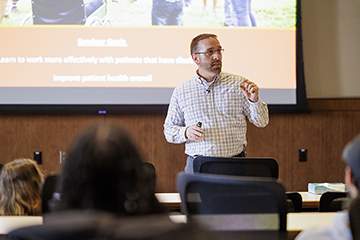
CMU faculty member awarded statewide distinguished professor award
Shay Dawson has been named a recipient of the 2024 Distinguished Professor of the Year award by the Michigan Association of State Universities.
You’re committed to making the world a better place by improving the lives of others. Our graduates do that every day using the skills and knowledge they get here.
In the College of Education and Human Services, we'll help you help others. Take what you love to do — fashion, teaching, recreation, event planning —and learn how to lead, challenge and inspire while doing it.
Be the teacher every student looks up to. Create specialized and accessible environments for those with disabilities. Plan huge events for sports teams. Design the next big thing in high-tech, high-performance fashion.
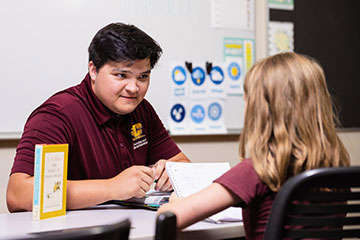
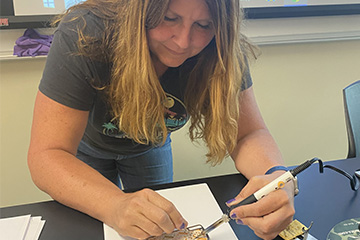

We're a tight-knit group of educators, designers, planners, change-makers, leaders, and innovators.

We do fun with STEM. Gain real teaching and professional development experience while inspiring young people and families within the Great Lakes Bay Region.

We offer free mental health services to members of our CMU community and Michigan residents. As a graduate student, you'll train here under the direct supervision of an experienced clinical supervisor.

We do fashion on a big stage. Design your own apparel or work on the production side in our annual student-run fashion show.

Live alongside peers with the same interests and career goals. Experience academic, community building, volunteer service, and leadership development activities available only to residents.


